
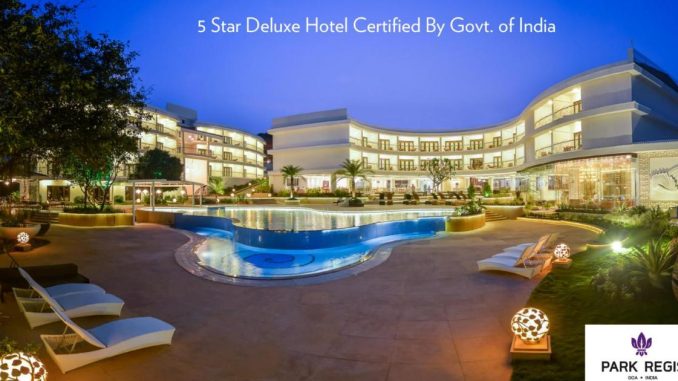
Hotels operate as both a high-velocity business and a real estate asset, meaning daily operational performance directly dictates cash flow and overall property valuation. Unlike traditional commercial real estate (like multifamily or industrial) where leases lock in rent for long periods, hotels re-price their inventory every single night.
Hotel investments combine heavy real estate development, furniture, fixtures, equipment (FF&E), and operating capital, with building a standard 5-star hotel often costing around $300,000 per key (roughly $150 million for a 500-room property) according to reports.
In markets like India, institutional capital and private equity make up 35% of investments, high-net-worth individuals and family offices account for 27%, listed hotel companies represent 25%, developers 8%, and owner-operators 5% via JLL.
Many property owners use an asset-light model, licensing a major brand name via franchise or management contracts (representing 84% of signings) rather than operating the real estate directly.
Annual hotel ROI typically averages 6% to 12%, supported by room revenue alongside 30–40% incremental income from food, beverage (F&B), and events per ADA Cosmetics.
Advisors has released a new report titled The Art and Science of Buying and Selling Hotels. The report studies around 125 hotel transactions in India covering 37,847 keys and Rs 36,564 crore of disclosed deal value. Its point is direct.
The Indian hotel is no longer just a business that hotel companies run. It has become a real investment asset. The buyers now include developers, family offices, institutional investors, lenders, landowners and a new wave of first generation owners.
The report speaks to every part of the hotel business. For an owner with a single hotel, it shows that the same asset can mean very different things to different buyers, so price per key alone tells you little. For a developer, it lays out six clear ways to enter, from buying a running hotel to taking on a distressed asset, a half-built project, a part stake or a piece of land with hotel potential. For a family office or a wealthy investor, it turns rising incomes and growing travel into a clear way to take part without repeating other people’s mistakes. For an operator or a lender, it is a reminder that brand fit, capital structure and feasibility decide the next ten years of a hotel long before the first guest walks in.
Unlike traditional property investments that rely solely on rental income, hotels generate multiple revenue streams, offering investors a more stable and robust hotel return. Hotel investors can earn income from room occupancy, food and beverage sales, and additional sources like event catering, spa services, parking, and more. This diversity ensures hotel investments are less vulnerable to fluctuations in any single revenue stream, creating potential for consistent returns.
Hotels are built with longevity in mind, offering a sustainable source of income over the long term. Unlike many other investments, which often rely on one-time transactions or periodic rental income, hotels generate continuous revenue from room bookings, dining, events, and amenities. This multi-faceted approach to generating revenue ensures a steady cash flow, providing consistent income for investors over many years.
By focusing on markets with strong demand, such as high-tourism destinations, hotel investments can offer investors reliable long-term wealth-building potential. This stability makes them a compelling option for those seeking both short-term returns and long-term capital growth.
The widening gap between hotel segments reflects the premiumisation of travel. Luxury properties are driving growth as affluent travellers seek exclusivity, personalisation, and emotionally resonant experiences, not just better rooms. As travel becomes a form of status expression, these guests are willing to pay for privacy, curation, and distinction, giving luxury hotels stronger pricing power and resilience. This divide is set to widen as operators invest beyond traditional notions of luxury.
Hotel investments offer strong profitability, especially when well-managed. According to Siteminder, a leading hotel management software company used by over 44,000 properties worldwide, most hotel operators aim for a 15-20% profit margin, with larger brands typically achieving higher returns from services like dining and events. Smaller properties may see lower margins, but remain profitable by targeting niche markets.
The demand for lifestyle hotels is increasing as travelers seek more than just a place to stay—they want an experience. These hotels offer unique features blending luxury, local culture, and personalized design, which cater to guests looking for immersive stays. These hotels go beyond traditional accommodations by offering destination-driven dining, locally-inspired lobby spaces, and an immersive atmosphere that justifies higher average daily rates (ADRs). This leads to higher occupancy rates and increased guest spending, resulting in stronger returns for investors.
When it comes to investing in hotels, selecting the right operator is key to maximizing hotel returns.
The success of your investment relies heavily on the expertise of the operator, particularly when it comes to understanding the market, excelling at operations, and managing revenue and forecasting. Even in the most promising locations, a hotel will only reach its full potential if it is managed by a seasoned operator who knows how to navigate market dynamics, optimize occupancy, and generate strong revenue.
Experienced operators bring valuable insights into every aspect of hotel management—from operational efficiency to pricing strategies. This is why we partner with globally recognized brands like TUI Blue and Flight Centre, who have a proven track record in driving profitability.
By 2026, hotel operations are becoming more disciplined, data-driven, and intentional. Technology is embedded within the operating model, teams are being enabled rather than replaced, and the market is increasingly separating adaptable operators from the rest.
For hotel leaders, success is no longer about chasing every trend, but about building systems and experiences that flex with demand, protect margins, and deepen loyalty. Those who balance intelligence, resilience, and genuine hospitality will define the next phase of hotel operations.
Vincent Fernandes






Leave a Reply